

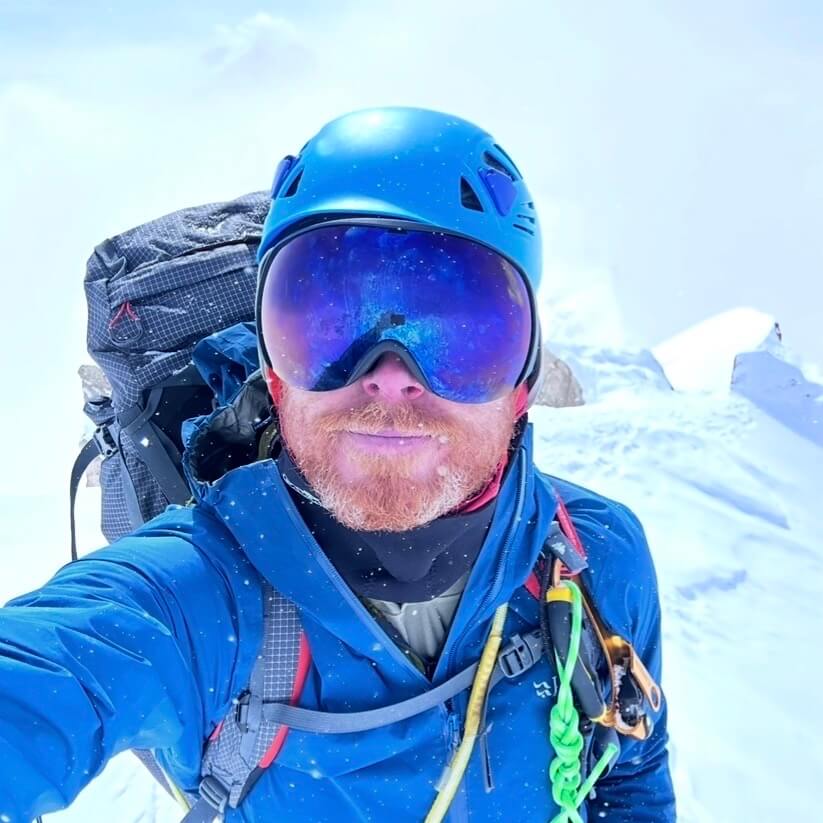
This is the story of the greatest backpacking trip of my life. Nine months of exploring a 20 country route from Mexico to Brazil. These places are full of unique sights, sounds, foods and people that made it so memorable. I made the trip my own by incorporating marathons, kayaking, high altitude climbs, and long distance treks. With luck on my side I got everything I wanted from the trip, and far more. I hope to pass on a lot of what I’ve learned here.
Backpacking Central America covers the three months through Mexico, Belize, El Salvador, Honduras, Nicaragua, Costa Rica & Panama. The following six months through South America has been divided into a four part series.
This is Part 4: Backpacking Uruguay, Paraguay & Brazil.
Uruguay
Montevideo
Montevideo is Uruguay’s relaxed capital, stretched along the Río de la Plata opposite Buenos Aires. Founded by the Spanish to counter Portuguese expansion, it has grown into one of South America’s safest and most prosperous cities. Backpackers come for the laid-back atmosphere, beaches and café culture, though many simply enjoy slowing down after the pace of larger capitals.

Paraguay
Asunción
Asunción is one of South America’s oldest cities and remains one of its least visited capitals. Often overlooked by travellers, it offers a slower pace, low prices and a chance to experience a side of the continent that sees far fewer tourists. The city also reflects Paraguay’s unique culture, where Spanish and Guaraní are spoken side by side.

Ciudad del Este
incl. Puerto Iguazú (Argentina)
Ciudad del Este grew rapidly after the construction of the Itaipu Dam and is known for its chaotic markets and cross-border trade. Nearby lies Puerto Iguazú, the Argentine gateway to Iguazú Falls and the point where Argentina, Paraguay and Brazil meet. Together they form one of South America’s most unusual border regions.

Brazil
Foz do Iguaçu
Foz do Iguaçu sits beside one of the world’s greatest natural wonders. Spread across hundreds of individual waterfalls, Iguazú Falls dwarf Niagara and stretch across the borders of Brazil and Argentina. The surrounding rainforest and wildlife make the area one of the continent’s most impressive natural attractions.

São Paulo
São Paulo is the largest city in the Americas and the economic heart of Brazil. Built on coffee wealth and shaped by waves of immigration, it has become a vast metropolis known for its food, nightlife and cultural diversity. While often skipped by tourists, it offers a glimpse into modern Brazil on a scale few cities can match.

Rio de Janeiro
Rio de Janeiro is one of the world’s most recognisable cities, set between mountains, rainforest and the Atlantic Ocean. Once Brazil’s capital, it became famous for Carnival, samba and beaches like Copacabana and Ipanema. For many travellers, it represents the perfect ending to a journey across South America.

Afterthoughts
South America is often spoken about as if it’s one place, but crossing it showed me how different each country really is. The distances are huge, the landscapes constantly change, and every border brings different food, accents and traditions. From tropical islands and cloud forests to glaciers and deserts, nowhere else I’ve travelled has felt so varied.
Nine countries, countless buses, and enough border stamps to nearly fill a passport. Looking back, it’s not the famous places I remember most, but the people I shared them with and the strange little moments in between. South America turned out to be everything I’d hoped for and very little of what I’d expected. I couldn’t have asked for a better continent to spend six months exploring.

Thank you for reading and happy travels, Brian
