
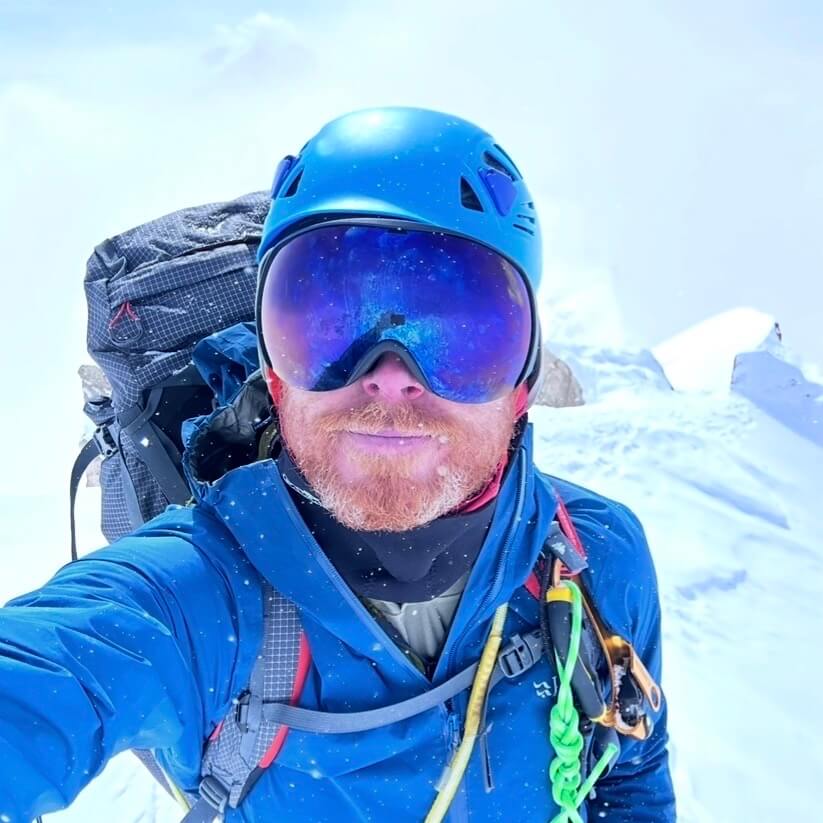
This is the story of the greatest backpacking trip of my life. Nine months of exploring a 20 country route from Mexico to Brazil. These places are full of unique sights, sounds, foods and people that made it so memorable. I made the trip my own by incorporating marathons, kayaking, high altitude climbs, and long distance treks. With luck on my side I got everything I wanted from the trip, and far more. I hope to pass on a lot of what I’ve learned here.
Backpacking Central America covers the three months through Mexico, Belize, El Salvador, Honduras, Nicaragua, Costa Rica & Panama. The following six months through South America has been divided into a four part series.
This is Part 3: Backpacking Chile, Argentina & Antarctica.
Chile
San Pedro de Atacama
San Pedro de Atacama is a desert oasis surrounded by salt flats, volcanoes and landscapes that resemble another planet. Sitting in one of the driest places on Earth, it has become northern Chile’s main backpacker hub, with excursions to geysers, lagoons and some of the clearest night skies anywhere.

Valparaíso
Valparaíso is a chaotic port city spread across steep hills overlooking the Pacific. Once one of South America’s wealthiest ports, it declined after the Panama Canal opened, but its colourful houses, street art and bohemian atmosphere have made it one of Chile’s most distinctive destinations.

Santiago
Santiago is Chile’s modern capital, sitting beneath the snow-capped Andes. Home to nearly half the country’s population, it blends skyscrapers with colonial buildings and serves as the gateway to much of central Chile. Most travellers pass through on their way to Patagonia or neighbouring Argentina.

Aconcagua
incl. Mendoza & San Juan
Aconcagua rises to 6,961 metres, making it the highest mountain outside Asia. The region around Mendoza and San Juan is famous for wine, dry mountain landscapes and easy access to the Andes. For climbers and trekkers, it marks one of South America’s great adventures.

Puerto Natales
Puerto Natales sits on the edge of Chilean Patagonia and serves as the gateway to Torres del Paine National Park. Originally founded by sheep farmers and fishermen, it has become one of the world’s great trekking bases, attracting travellers heading into Patagonia’s mountains and glaciers.

Argentina
El Calafate
El Calafate is a windswept Patagonian town best known for the nearby Perito Moreno Glacier. Once little more than a sheep farming settlement, it now serves as the main base for exploring southern Patagonia and one of the few places where visitors can easily stand beside a constantly advancing glacier.

El Chaltén
El Chaltén was founded in 1985 to strengthen Argentina’s claim over Patagonia, but it quickly became known as the trekking capital of the country. Surrounded by jagged peaks and glaciers, nearly every trail begins directly from town, making it a paradise for hikers.

Ushuaia
Ushuaia claims to be the southernmost city in the world and sits between the Beagle Channel and the mountains of Tierra del Fuego. Once a penal colony, it now attracts travellers looking to explore Patagonia, sail the channel, or continue further south to Antarctica.

Antarctica
Antarctica is the coldest, driest and windiest continent on Earth, protected by international treaty and inhabited only by scientists and temporary visitors. Expeditions from Ushuaia cross the Drake Passage to reach a landscape of glaciers, icebergs and wildlife unlike anywhere else on the planet.

Buenos Aires
Buenos Aires is often called the Paris of South America, though its personality is distinctly Argentine. Built on wealth generated from cattle and grain exports, the city combines grand architecture with neighbourhoods famous for football, tango and steak. It remains one of the continent’s great capitals.

Leaving Patagonia behind, I turned north once more. The final stretch would take me through the quieter countries of Uruguay and Paraguay before ending among the beaches and giant cities of Brazil.
