


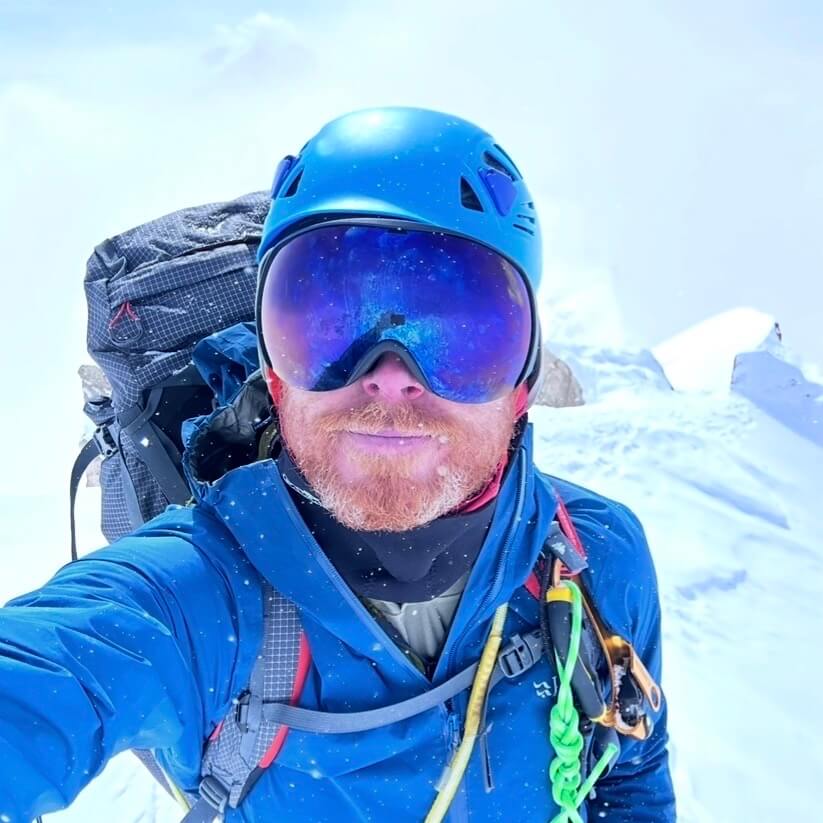
This is the story of the greatest backpacking trip of my life. Nine months of exploring a 20 country route from Mexico to Brazil. These places are full of unique sights, sounds, foods and people that made it so memorable. I made the trip my own by incorporating marathons, kayaking, high altitude climbs, and long distance treks. With luck on my side I got everything I wanted from the trip, and far more. I hope to pass on a lot of what I’ve learned here.
Backpacking Central America covers the three months through Mexico, Belize, El Salvador, Honduras, Nicaragua, Costa Rica & Panama. The following six months through South America has been divided into a four part series.
This is Part 1: Backpacking Colombia & Ecuador.
Colombia
Cartagena
Sailing here from Panama was a fitting way to arrive on a new continent. As appears to be common practice on luxury yachts, our captain handled the long immigration queues on our behalf, allowing us to explore the city. This practice may be understood in lavish hotels, but caused a lot of confusion at our hostel when none of us had passports or entry stamps! It looked less suspicious when we showed them our passports later, then showered and looking less like we just emerged from a boat.
Cartagena is a Caribbean port city whose wealth came from shipping silver and gold from South America to Spain. It’s surrounded by perfectly preserved walls and forts that once protected against pirates. The thing that stands out most is the colourful artwork, buses and traditional dress that you see everywhere. That and the heat! Our group from the ship explored all that we could before people went their separate ways. Group dinners, fun at the hostel, and evenings of strange cocktails and rooftop bars are what I remember most. There’s bright graffiti and statues everywhere, and the suburb of Getsemani is beautiful with its famous umbrella street.
I braved a walking tour one day that six people couldn’t finish. Under a baking sun I learned how the city became a hub for repairing and resupplying ships for Atlantic crossings. Ships sailed to Europe with goods from the Potosí Mine in Bolivia. This is the largest silver deposit in the world and is what made the Inca’s, and Spain, so rich. What is now a small village was then the largest industrial operation on Earth, with an economy the size of London’s. Returning ships brought slaves from Africa, making this the primary slaving port for South America. I learned of pirate attacks, and two shipwrecks which changed how the port must be entered.
After eating my weight in arepa’s it was time to move on. Most of my new friends headed east toward Santa Marta for tropical islands and Tayrona National Park, while I continued south. I hoped to avoid flights for this whole trip, but when my options were a 30 min flight or an 8 hour bus that both costed $30 that plan went out the window. This had been a beautiful city, but I was happy to move towards the Andes and leave the heat behind.
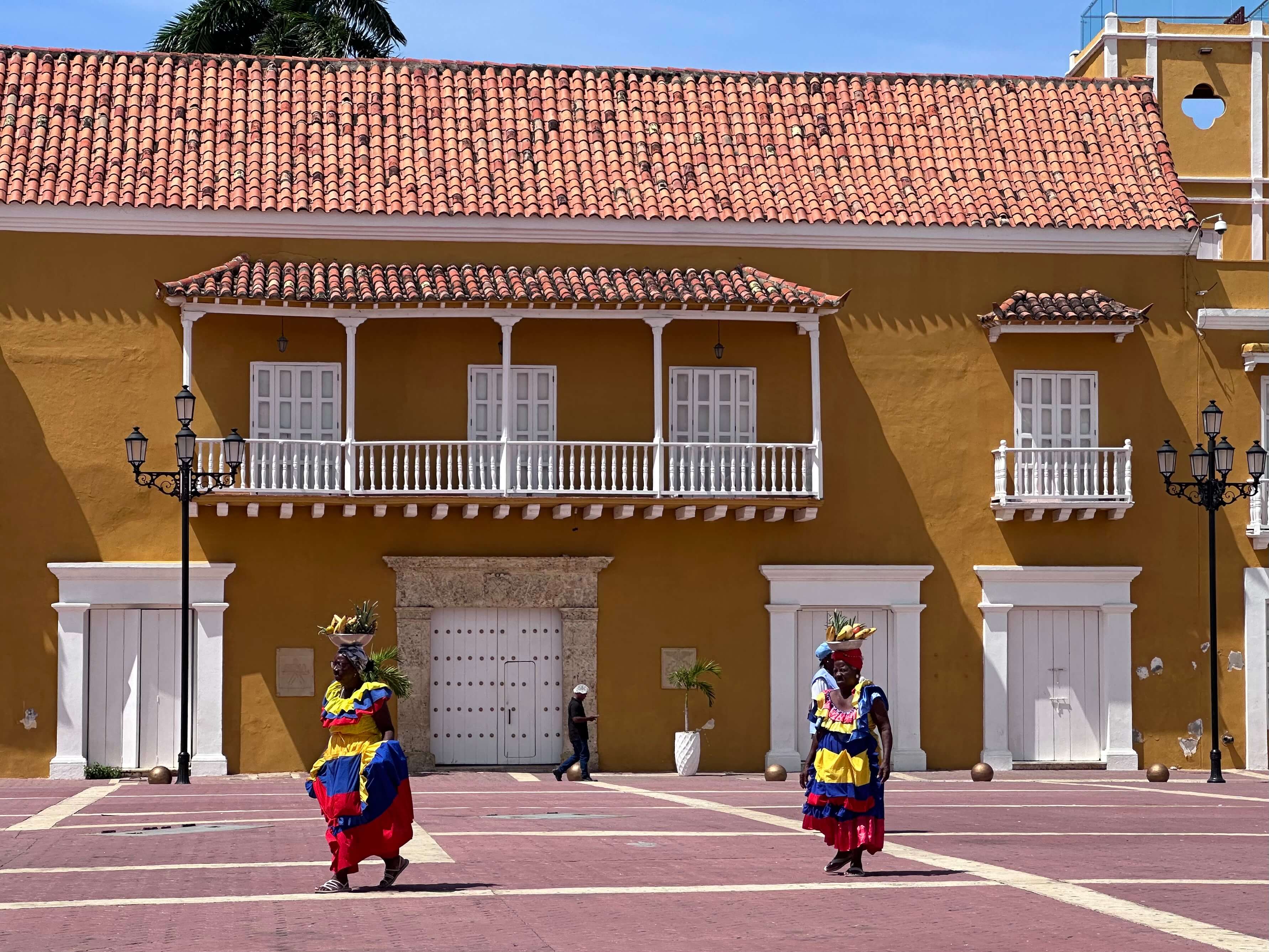
Guatapé
Guatapé is a small lakeside town surrounded by islands and green hills created by a hydroelectric reservoir. It’s famous for the giant Piedra del Peñol, whose summit offers one of Colombia’s best views. Most travellers visit from Medellín, though many stay longer to enjoy the slower pace.
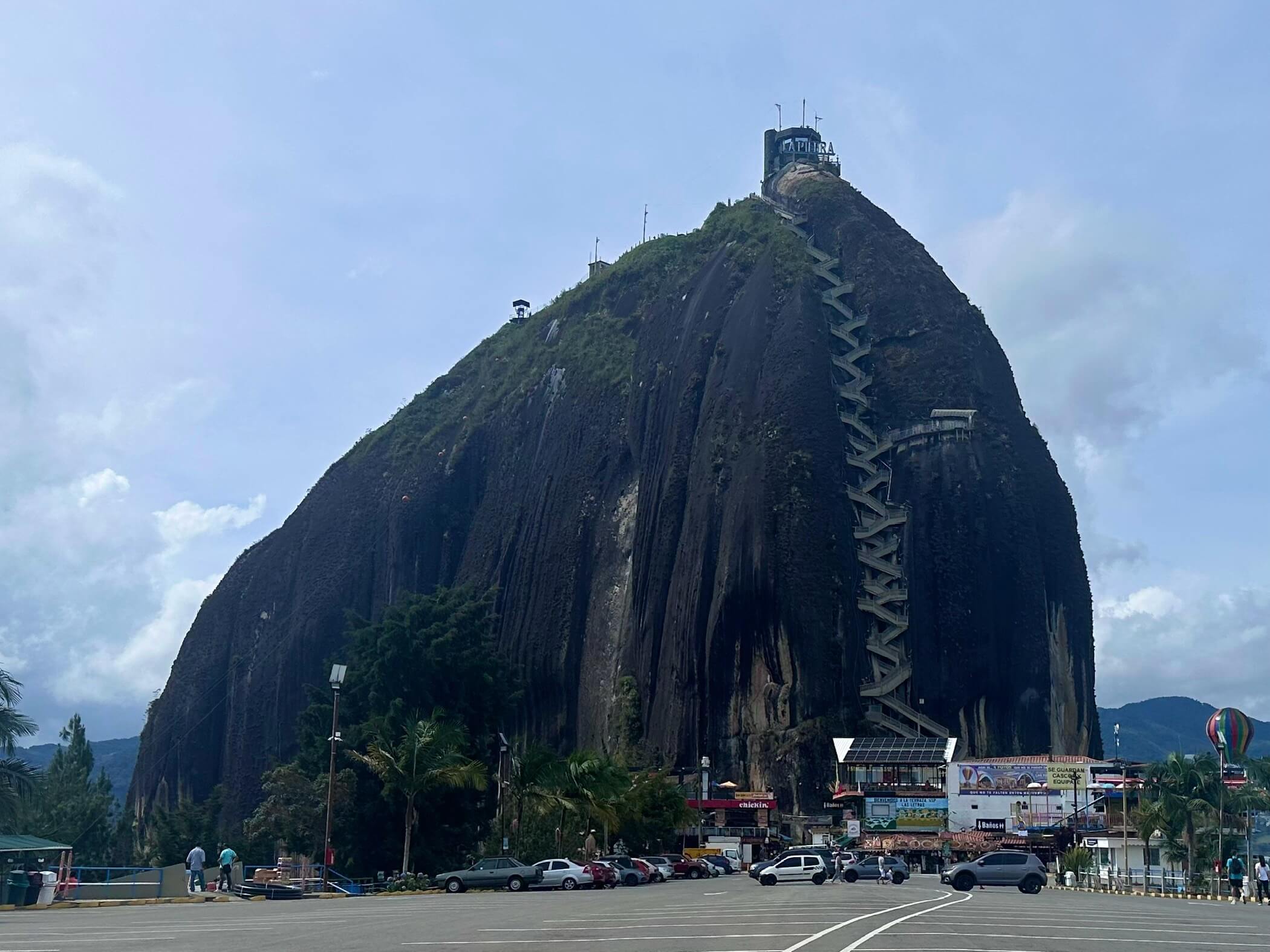
Medellín
Medellín sits in a valley surrounded by mountains and has transformed itself from the violence of the Escobar era into Colombia’s most popular backpacker city. It’s known for its pleasant climate, cable cars, street art and lively atmosphere, with easy access to the surrounding coffee region.
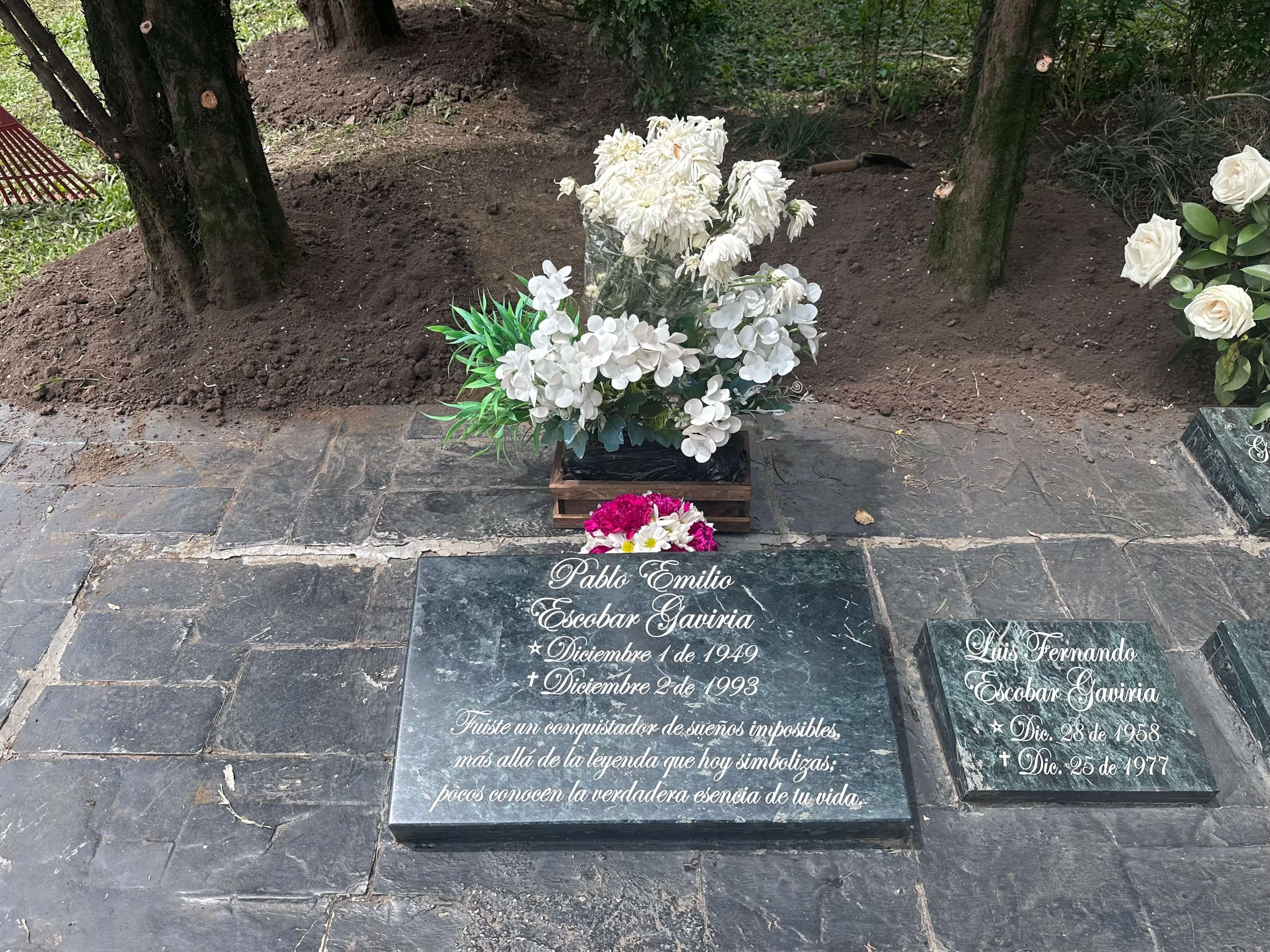
Bogotá
Bogotá is Colombia’s sprawling capital, sitting 2,600 metres above sea level in the Andes. Often overlooked by travellers, it offers excellent museums, colonial districts and a first taste of high-altitude South America before heading south.
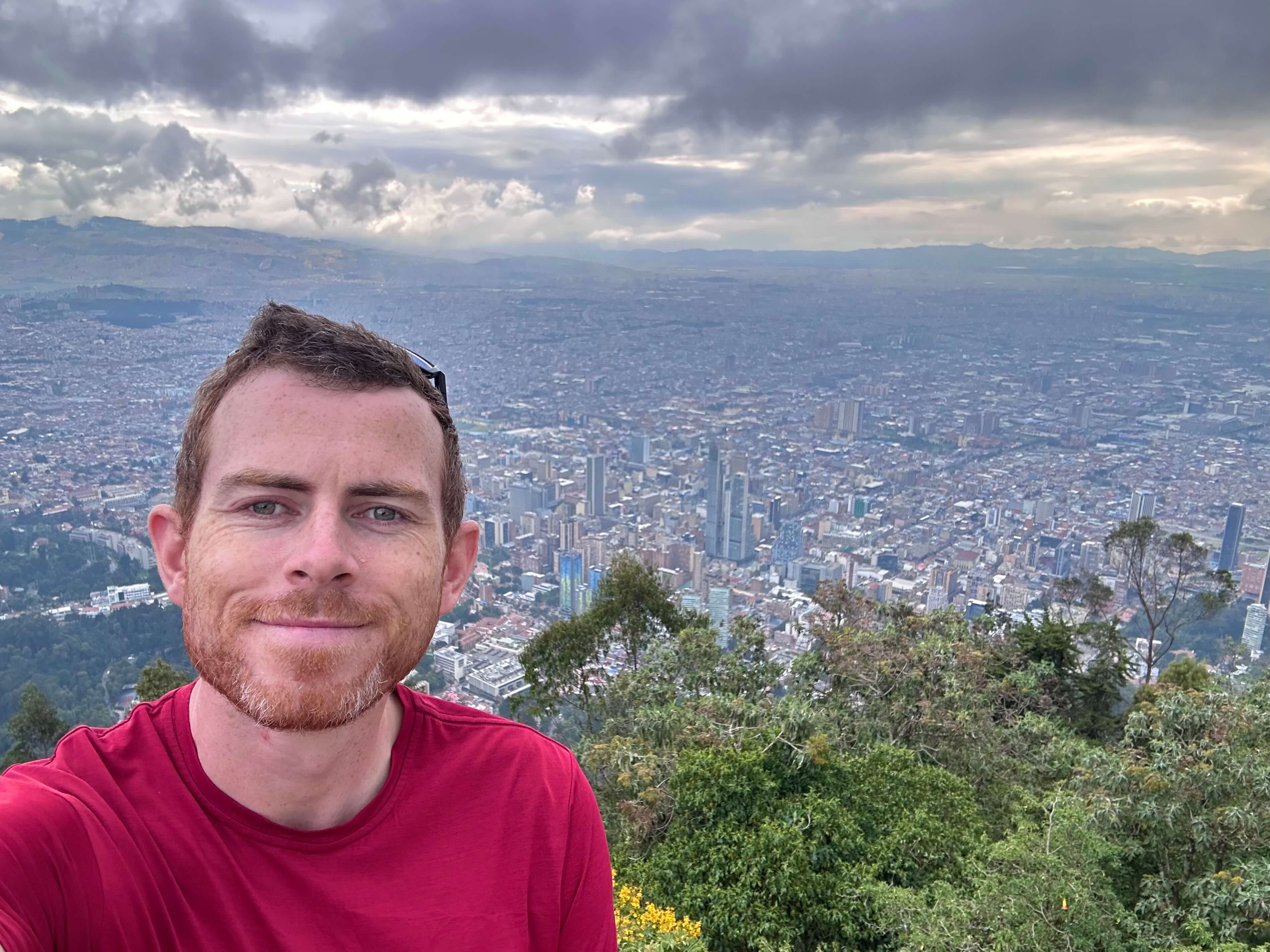
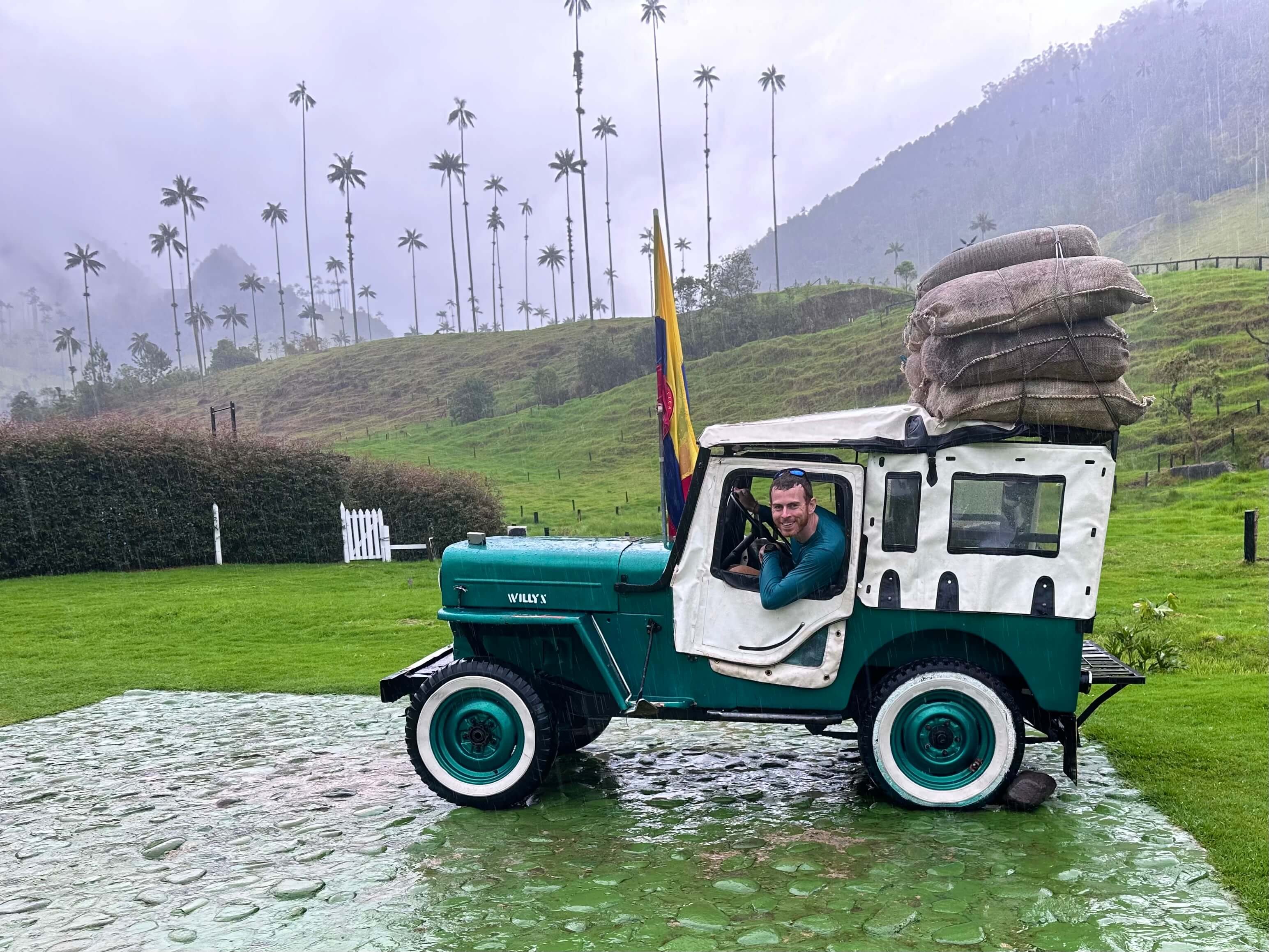
Salento
Salento is a colourful town in Colombia’s coffee region, surrounded by rolling hills and cloud forests. Backpackers come for coffee tours and the nearby Cocora Valley, home to the world’s tallest palm trees. Its relaxed pace makes it one of the country’s most loved stops.
Ecuador
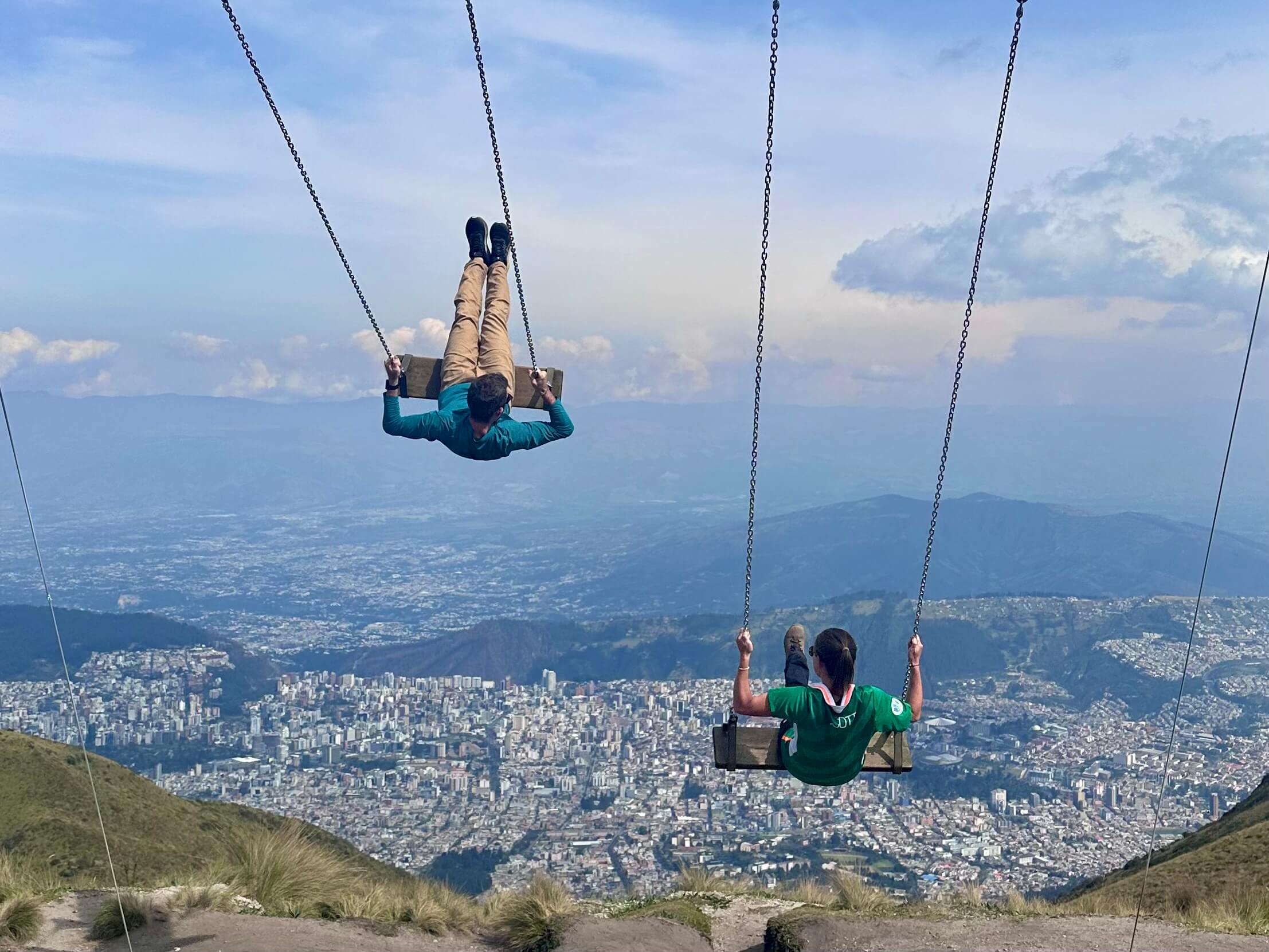
Quito
Quito is one of the highest capitals in the world, sitting beneath a chain of volcanoes in the Andes. Its old town is among the best preserved in South America, and the city serves as a base for exploring the rest of Ecuador while acclimatising to the altitude.
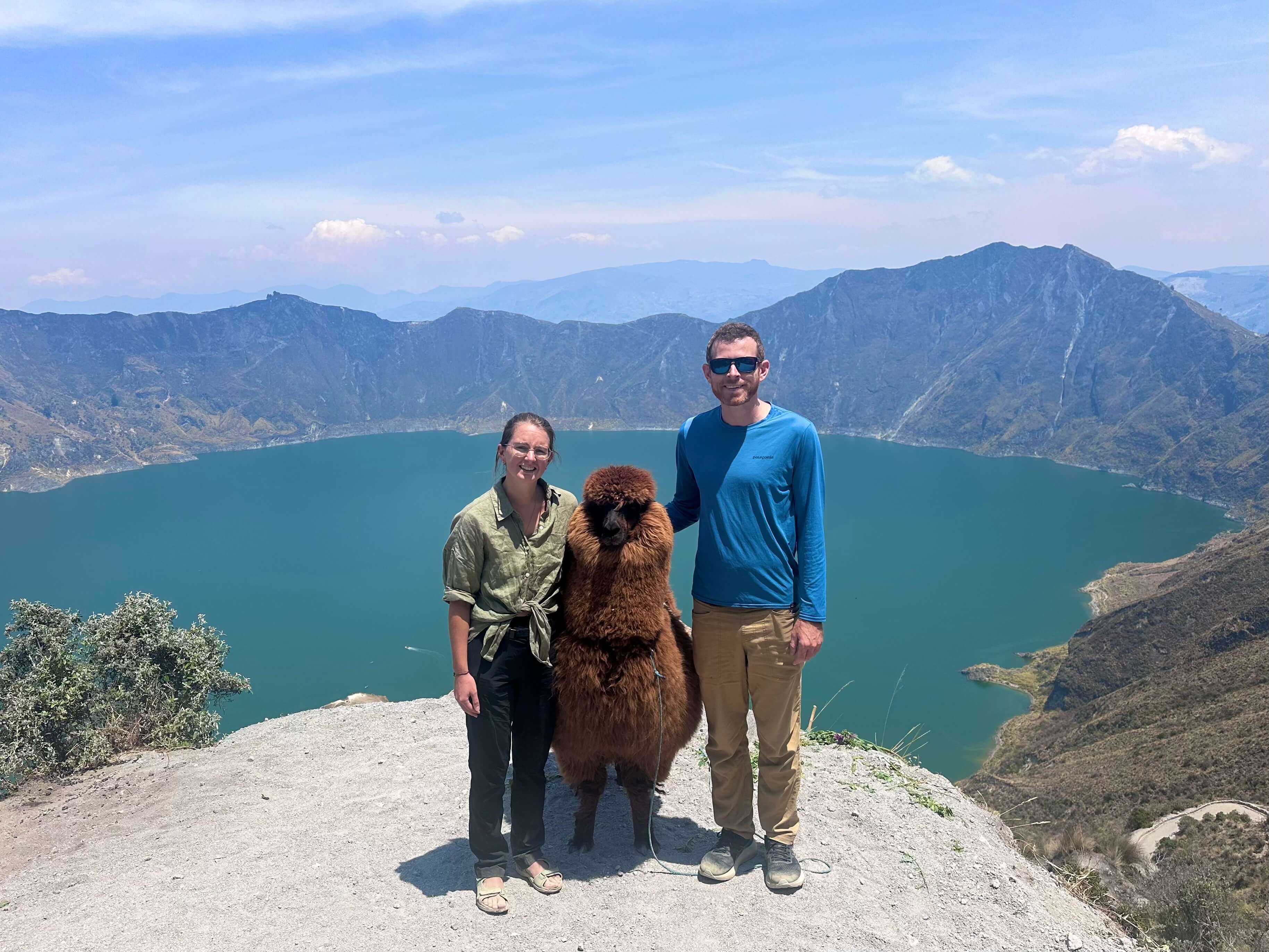
Lake TBC
Cotopaxi
Cotopaxi National Park is dominated by its snow-capped volcano, one of the highest active volcanoes on Earth. The windswept landscape, wild horses and high altitude make it a popular stop for hikers and climbers heading deeper into the Andes.
Baños
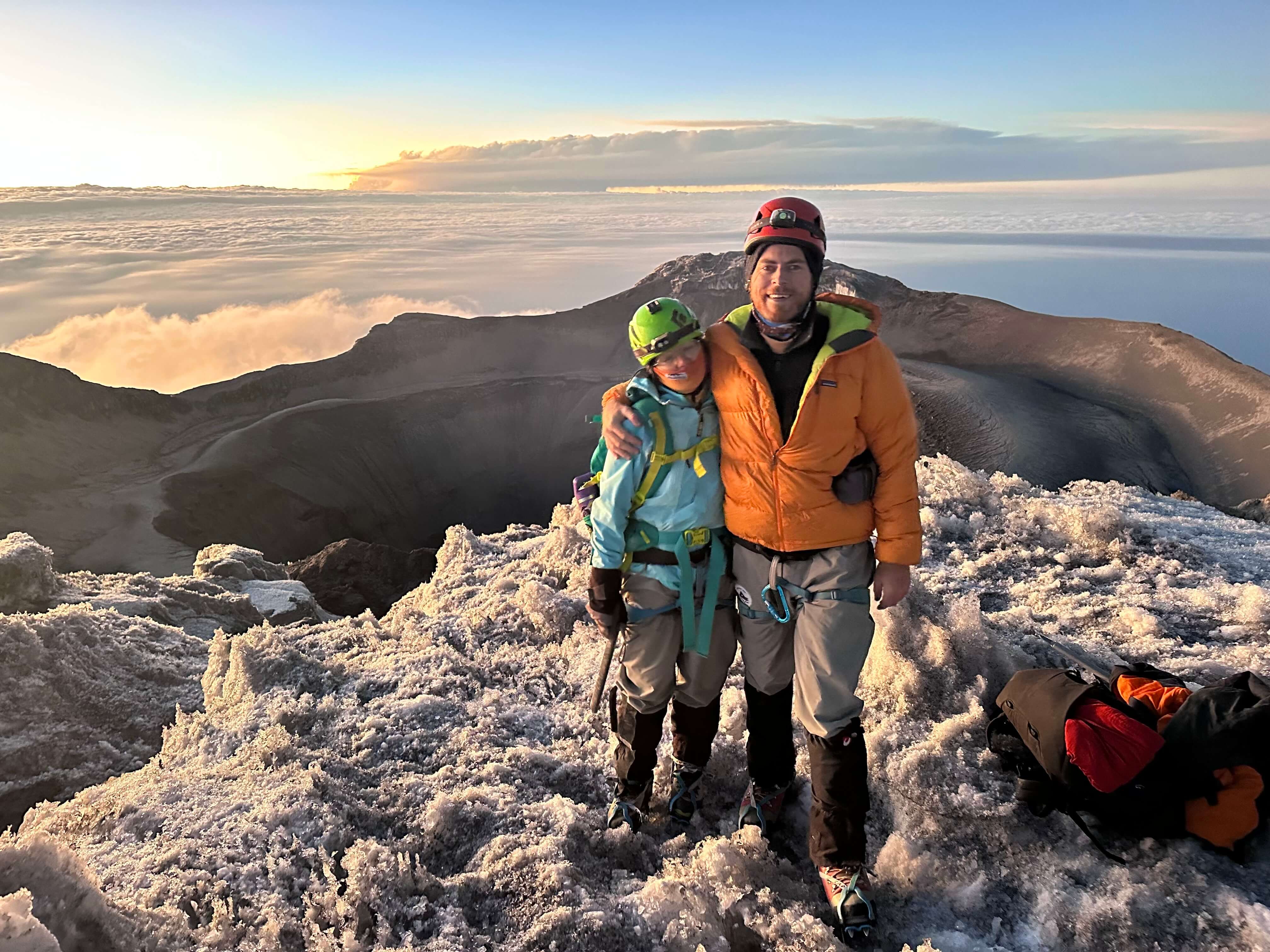
Baños sits between the Andes and the Amazon, making it Ecuador’s adventure capital. Surrounded by waterfalls and volcanoes, it attracts backpackers with rafting, canyoning and mountain biking, while hot springs and cafés offer a slower side to the town.
Chimborazo
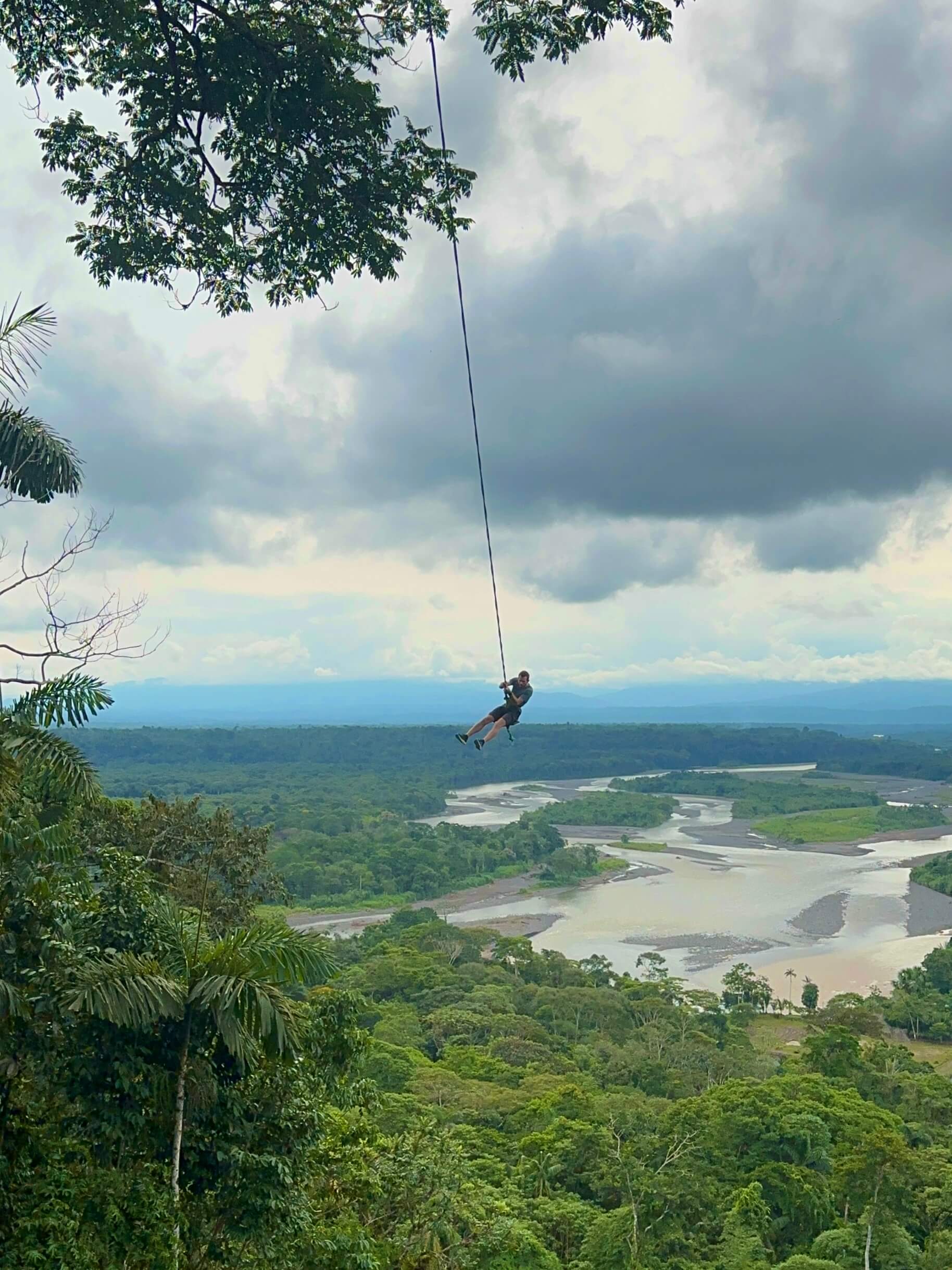
At 6,263 metres, Chimborazo is Ecuador’s highest mountain. Because of the Earth’s equatorial bulge, its summit is the furthest point from the centre of the Earth. Even without climbing it, travellers come to experience the extreme altitude and spot wild vicuñas roaming the reserve.
Tena & The Amazon
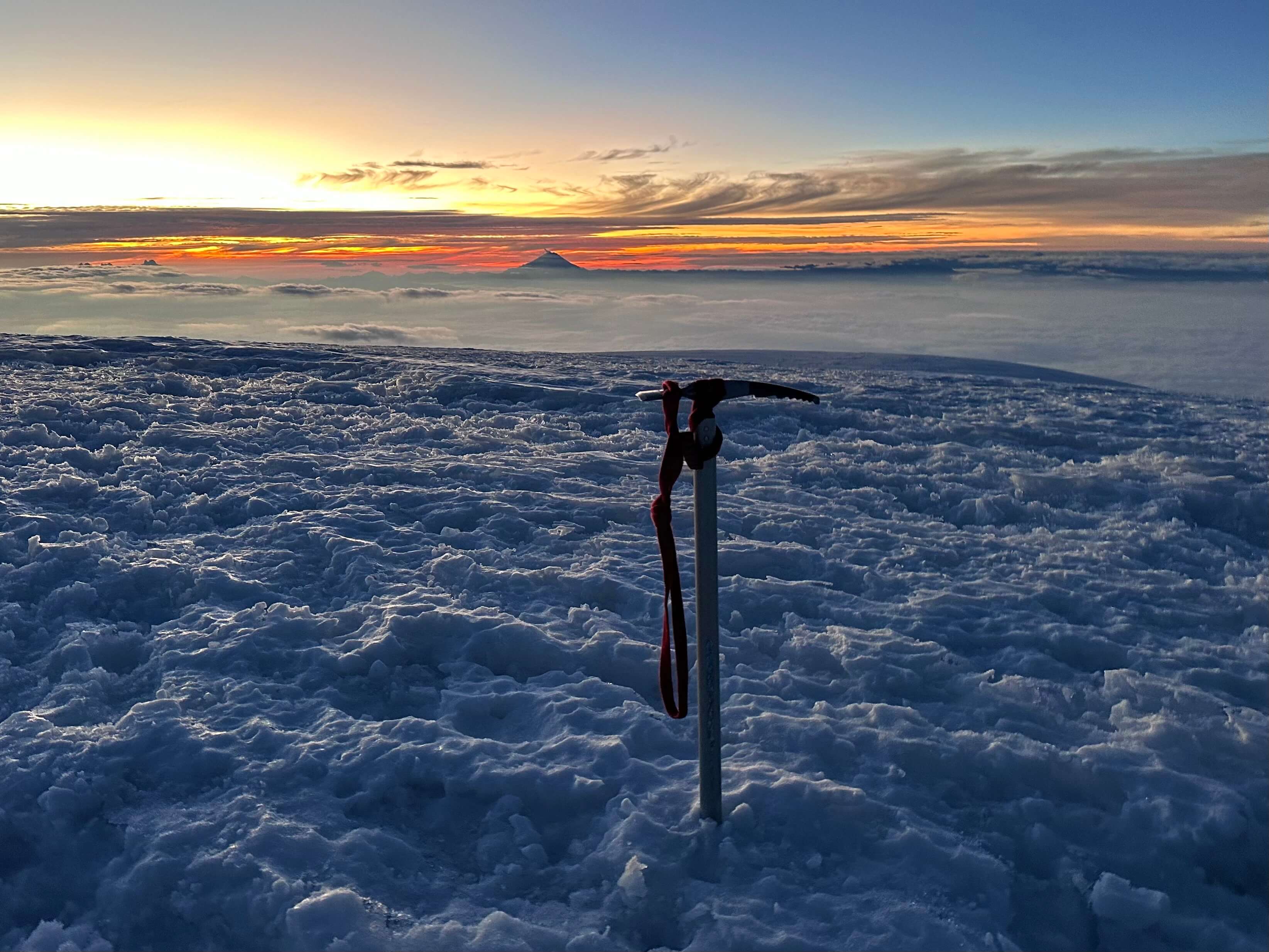
Tena sits on the edge of the Amazon Basin and offers one of the easiest and cheapest ways to experience the rainforest. Surrounded by rivers and jungle, it attracts travellers interested in wildlife, indigenous communities and a first glimpse of the vast Amazon.
From Ecuador I crossed into Peru, home to some of the continent’s greatest landscapes and the heart of the Inca Empire.
